-
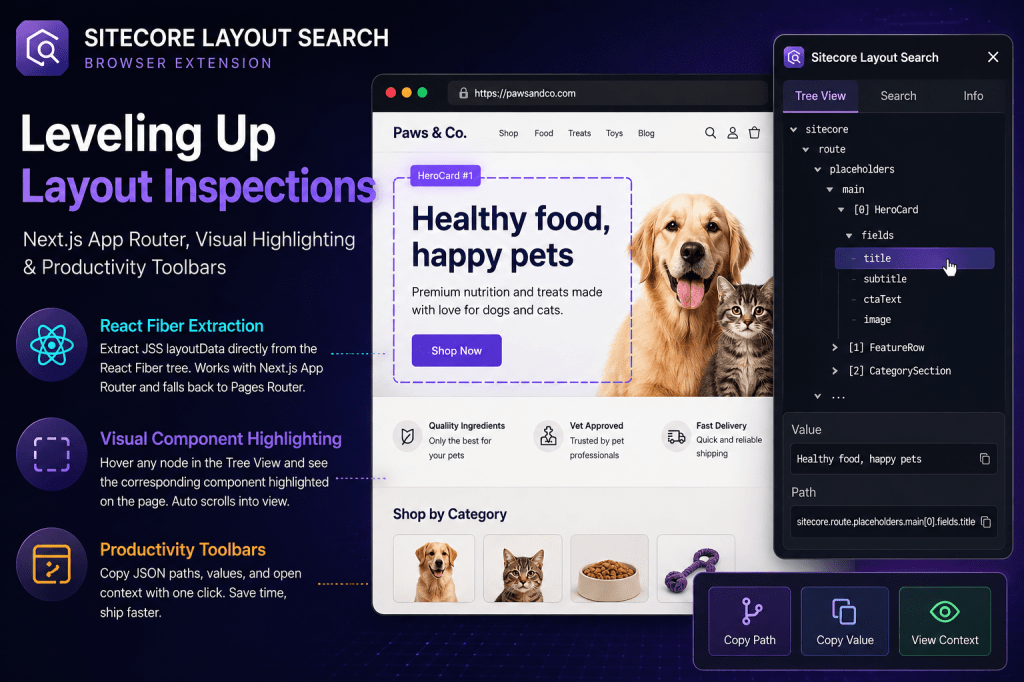 Continue reading →: Making Sitecore Content SDK + Next.js Layout Inspection Easier
1. The Next.js App Router Revolution: React Fiber Extraction The Problem In legacy Next.js Page Router apps, inspecting the page structure was as simple as typing __NEXT_DATA__ in the console. However, Next.js App Router apps stream content using React Server Components (RSC). Layout data is hydrated directly into components like SitecoreProvider or SitecoreContext, leaving the…
-
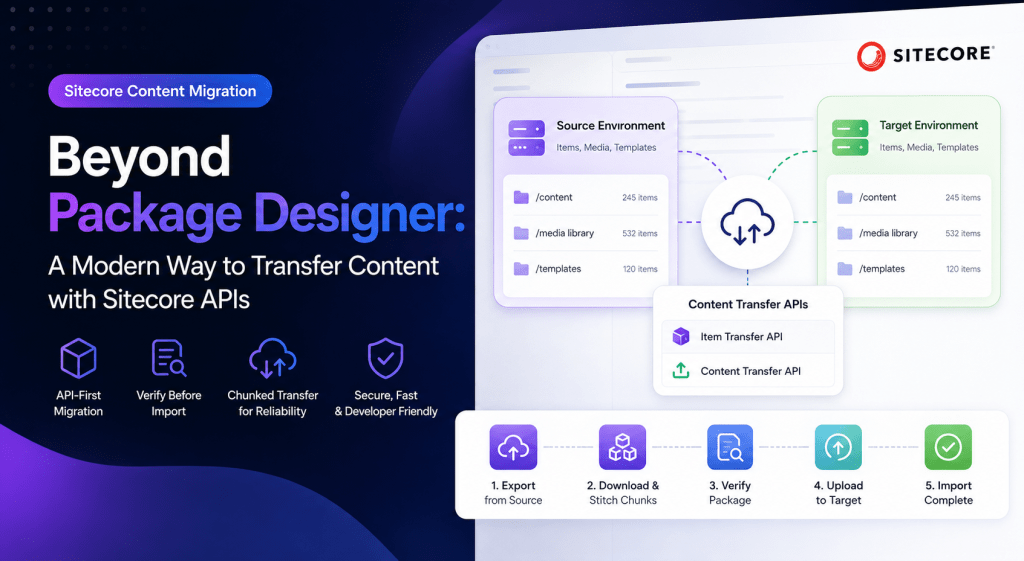 Continue reading →: Beyond Package Designer: A Better Way to Transfer Content in Sitecore
If you’ve worked with Sitecore for a while, you’ve probably used Package Designer to move content, templates, or media between environments. It was a reliable tool for many years, but with Sitecore AI and modern SaaS architecture, Package Designer has been deprecated. Instead, Sitecore now provides Content Transfer APIs and…
-
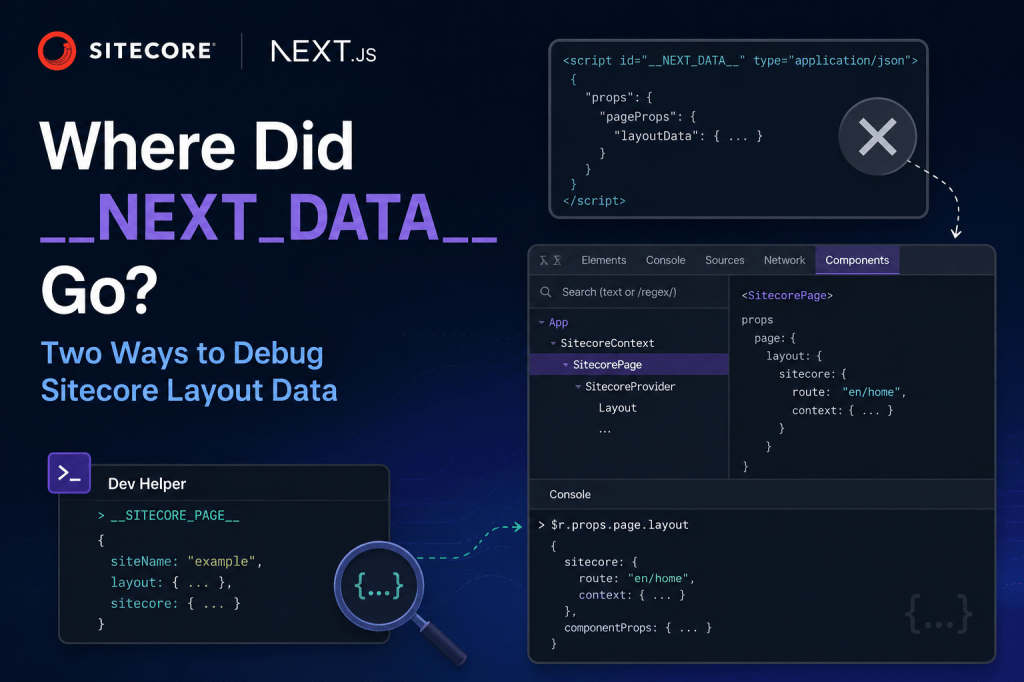 Continue reading →: Where Did __NEXT_DATA__ Go? Two Ways to Debug Sitecore Layout Data
If you’ve worked with Sitecore JSS on Next.js, you probably had a daily habit: open DevTools, type __NEXT_DATA__, and dig into layoutData. Route, placeholders, context — all in one place. After upgrading to the Sitecore Content SDK and Next.js App Router, that trick stops working. You’re not doing anything wrong. The data didn’t disappear —…
-
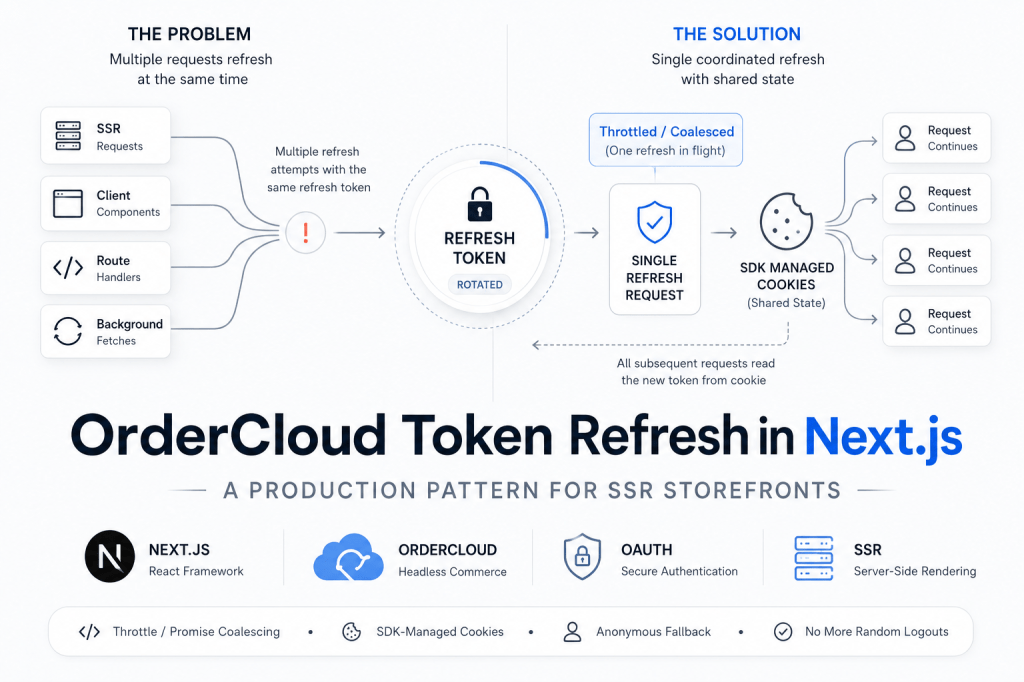 Continue reading →: OrderCloud Token Refresh in Next.js: A Production Pattern for SSR Storefronts
OrderCloud project I’ve worked on ships its first version with a token refresh bug. It rarely shows up in dev. It doesn’t show up in QA. It shows up in production — three weeks after launch, on a real device, when two requests happen to refresh at the same moment…
-
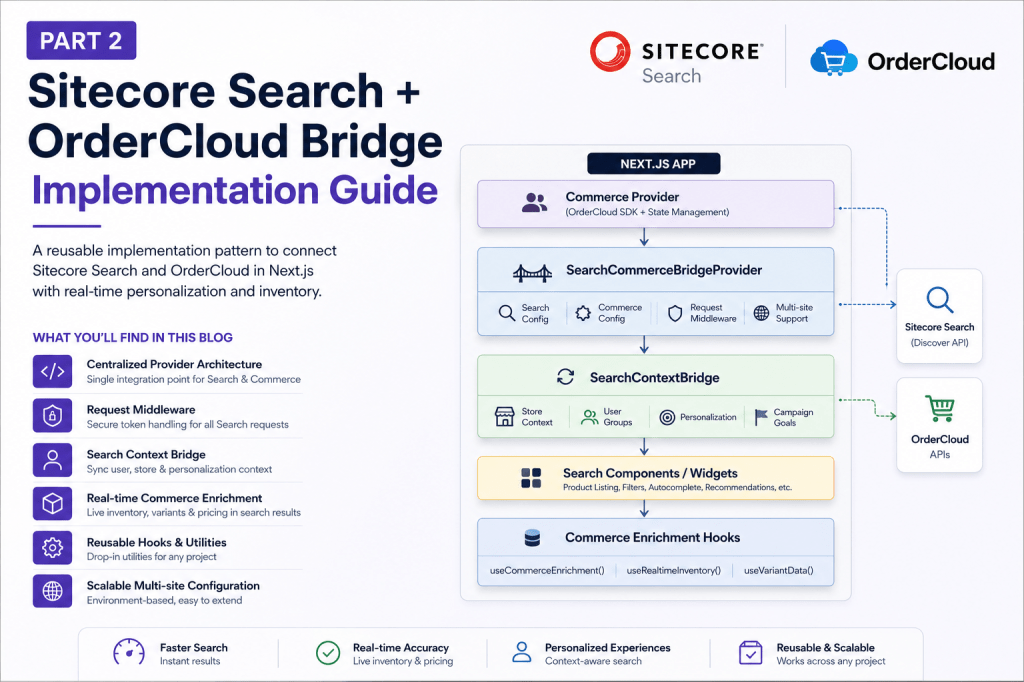 Continue reading →: Part 2 — Implementing a Reusable Sitecore Search + OrderCloud Bridge
In the first part, we discussed the architecture behind connecting Sitecore Search and OrderCloud through a centralized bridge. Now let’s look at the actual implementation approach. The idea was never to build something tightly coupled to a single project.The goal was to create a reusable pattern that can work across…
-
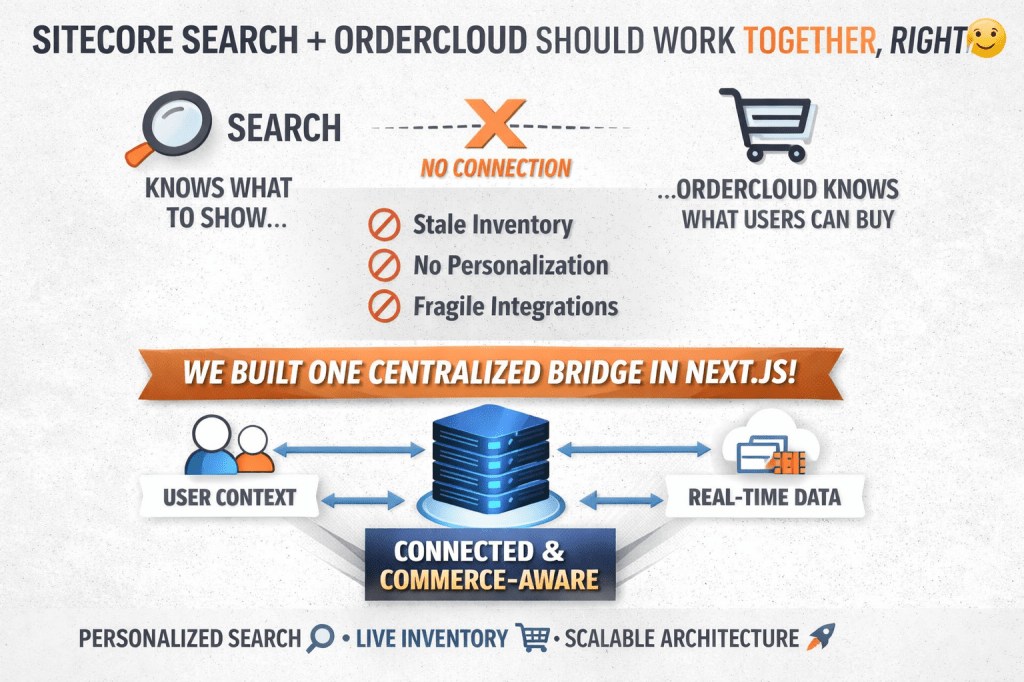 Continue reading →: Bridging Sitecore Search and OrderCloud in Next.js
A Centralized, Reusable Architecture Why This Matters When working with Sitecore Search (Discover) and OrderCloud, one problem always shows up: They don’t naturally talk to each other. But neither understands the other. The result:Disconnected experiences, duplicate logic, and fragile integrations. The Core Problem To deliver a real commerce experience: Sitecore…
-
 Continue reading →: Tracking Custom Click Events in Sitecore Search Using PageController
Problem If you are using Sitecore Search (formerly Discover), it automatically tracks user interactions inside its official React widgets. For example: This works perfectly out of the box. However, real-world websites often contain CMS-driven components that are outside of Sitecore Search widgets, such as: Imagine a Hero Carousel managed by…
-
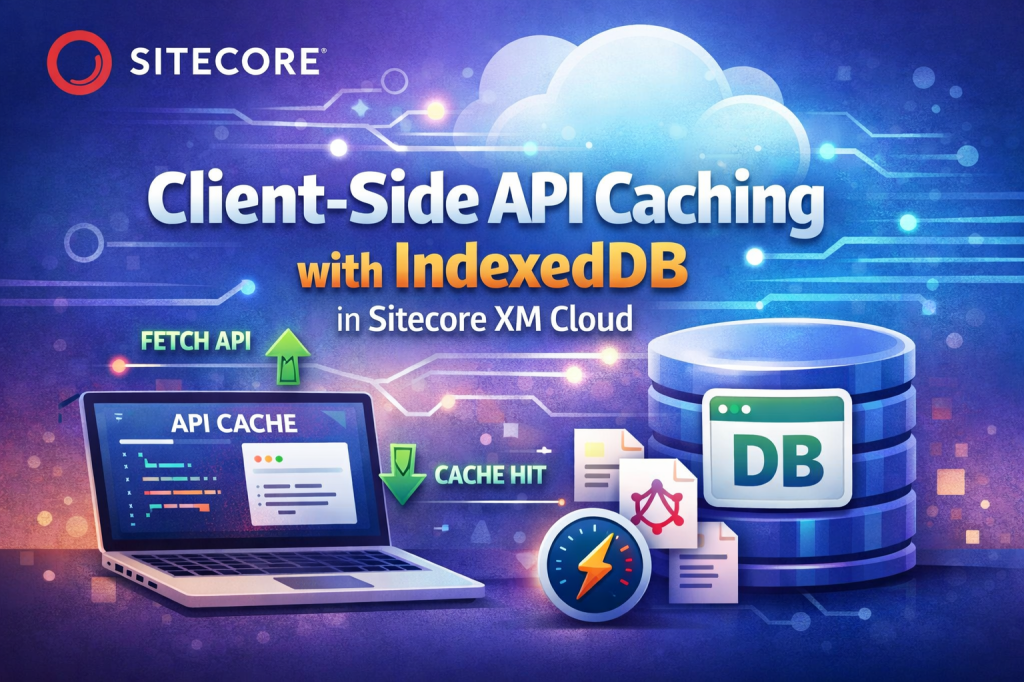 Continue reading →: Client-Side API Caching with IndexedDB in Sitecore XM Cloud
In many Sitecore XM Cloud projects built with Next.js, components often call the same APIs or GraphQL queries multiple times. For example: Each time this happens, the browser sends the same request again. This leads to: In one of my projects, we noticed the same API being called repeatedly even…
-
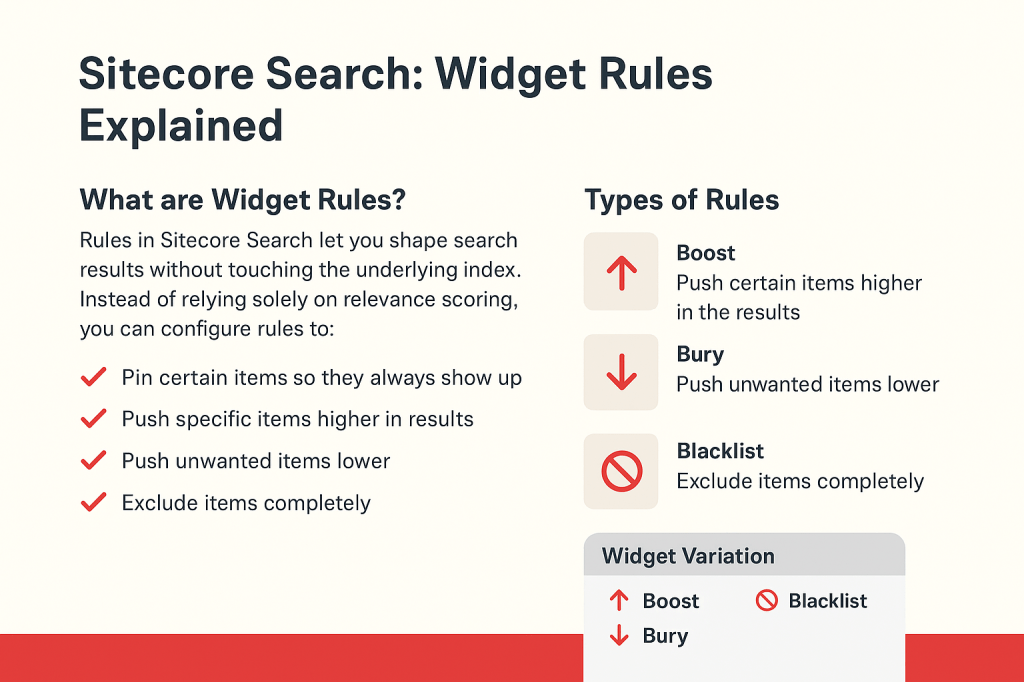 Continue reading →: Sitecore Search: Widget Rules
When building search-driven experiences in Sitecore Search (XM Cloud), it’s common to personalize or adjust results based on business logic. That’s where widget rules come into play. In this post, we’ll cover: What are Widget Rules? Rules in Sitecore Search let you shape search results without touching the underlying index.…
-
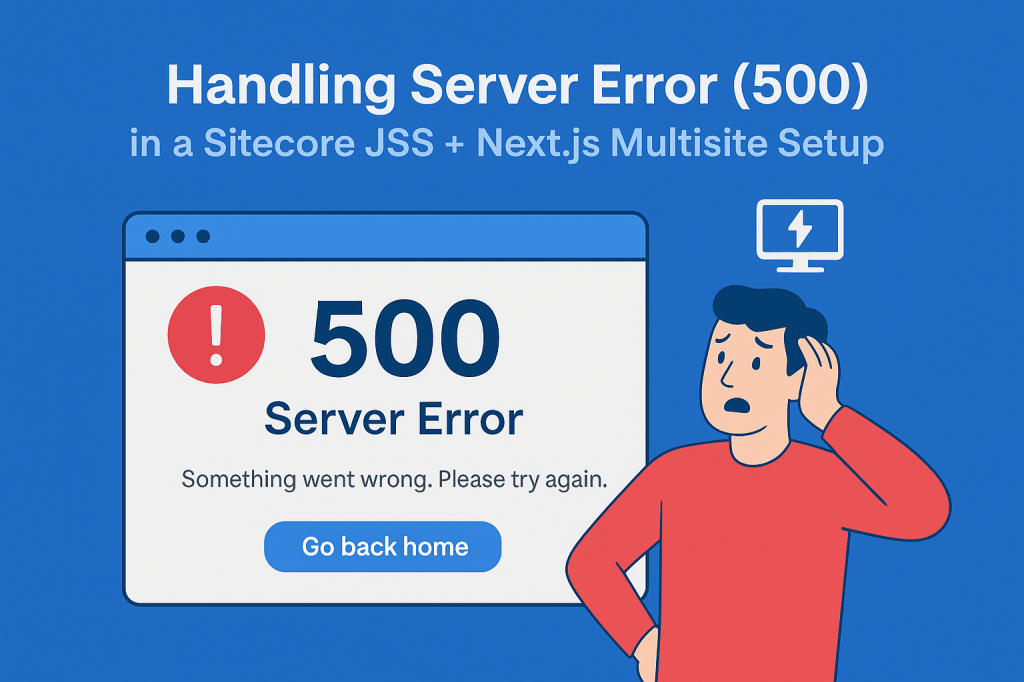 Continue reading →: Handling Server Error (500) in a Sitecore JSS + Next.js Multisite Setup
“Oh no… it’s a 500!” That all-too-familiar server error shows up and suddenly your site feels broken. The user sees a generic, ugly message — not the best experience, right? But what if we could handle server errors gracefully, even in a multisite Sitecore JSS + Next.js environment? This guide…
Hello,
I’m Ravi

Digital Experience Engineer and Sitecore Full-Stack Developer with hands-on experience building scalable enterprise web applications and composable digital experience platforms using Sitecore XM Cloud, Next.js, React, TypeScript and modern headless architecture.
- August 2026 (1)
- July 2026 (1)
- June 2026 (1)
- May 2026 (2)
- March 2026 (3)
- September 2025 (1)
- August 2025 (1)
- April 2025 (3)
- March 2025 (1)
- February 2025 (1)
- January 2025 (1)
- June 2024 (2)
- October 2023 (1)
- August 2023 (1)
Let’s connect
Join the fun!
Stay updated with our latest tutorials and ideas by joining our newsletter.

